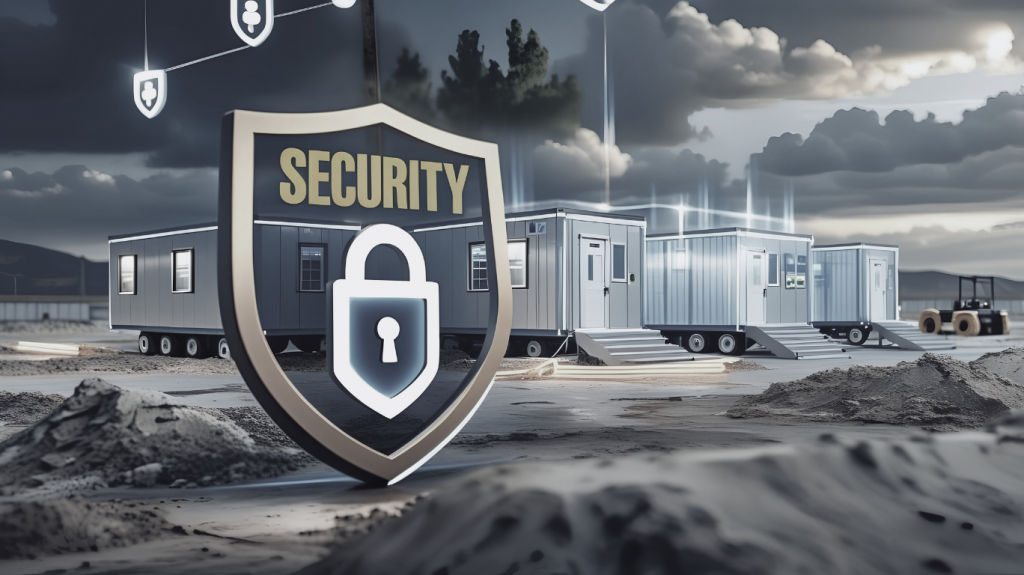
Field office cybersecurity is a major concern for construction companies, engineering firms, contractors, and field service businesses because employees are no longer working inside one protected office network. They are using laptops, tablets, and phones from job trailers, trucks, hotels, client sites, public Wi-Fi, cellular hotspots, and shared networks.
That changes everything.
In this episode of Stimulus Tech Talk, Stimulus Technologies CEO Nathan Whittacre explains why cybersecurity gets more complicated when teams work from temporary or mobile locations. He shares practical ways businesses can protect jobsite data, secure shared Wi-Fi, reduce BYOD risks, prepare for lost or stolen devices, and make sure field workers use safe file-sharing tools instead of personal workarounds.
You can listen to the full episode on your favorite podcast platform or watch it on the Stimulus Technologies YouTube channel.
Key Takeaways
- Field offices expand the cybersecurity perimeter because laptops, tablets, and phones leave the protected office network.
- Shared job trailer Wi-Fi should be segmented so different contractors are not on the same internal network.
- Field workers should only have access to the project data they need, not the company’s full file system.
- Personal laptops create serious BYOD risk unless the company manages them like corporate devices.
- Lost or stolen devices should trigger encryption checks, remote wipe, password resets, session revocation, and account monitoring.
Why Field Offices Create a Bigger Cybersecurity Risk
The biggest cybersecurity risk for field offices is that company devices leave the controlled office environment and connect through networks the business may not own or manage.
In a traditional office, companies often rely on a firewall, internal network controls, and company-managed infrastructure. But once employees work from job sites or temporary field offices, that clean boundary disappears. A laptop in a construction trailer may connect to shared Wi-Fi. A tablet in the field may use cellular data. A project manager may access company files from a hotel or coffee shop.
That means businesses need to protect the device, the user account, and the data itself. Endpoint protection, encryption, access control, secure cloud storage, mobile device management, and remote wipe all become a bigger part of the security plan.
For construction and engineering firms, this is especially important because field teams often need access to sensitive documents, drawings, PDFs, project files, and client information.
How to Secure Shared Wi-Fi in a Job Trailer
The best way to secure shared job trailer Wi-Fi is to separate each company or contractor onto its own network.
On a busy jobsite, multiple contractors may share the same trailer or internet connection. That setup can create risk if everyone connects to the same Wi-Fi. If one vendor’s device has malware or ransomware, other devices on that same network may be exposed.
A properly configured network can create separate Wi-Fi access for each company. This keeps one contractor’s devices from seeing or interacting with another contractor’s devices, even if they are all using the same internet service.
The same idea applies inside a permanent office. Guests, auditors, vendors, and contractors should use guest Wi-Fi that is fully separated from the company’s internal systems. It is a simple step that can prevent a lot of unnecessary exposure.
Why Project-Based SharePoint Permissions Reduce Exposure
Project-based SharePoint permissions help reduce cybersecurity risk by giving field workers access only to the files they need for a specific job.
Not every employee needs access to the full company file system. In fact, broad access can create avoidable risk. If a field laptop is stolen, infected, or compromised, the damage is much smaller when that user can only reach one project folder instead of every client file, drawing, estimate, and internal document.
A safer approach is to create job-specific SharePoint sites or shared folders. The office team can upload the right PDFs, engineering files, drawings, or project documents for that job. Field employees can quickly find what they need without digging through unrelated folders.
This also improves productivity. Security works best when it supports how people actually work.
Should Field Employees Use Personal Laptops?
Field employees should avoid using personal laptops for company work unless the business manages those laptops with the same security controls used on corporate devices.
Personal laptops are risky because the company may not know what software is installed, who else uses the device, whether it is patched, or whether it has active malware. If that laptop connects to company data, the risk follows it.
If a business allows BYOD laptops, it should require company-approved security tools, limited administrative rights, endpoint protection, access restrictions, and a clear offboarding process. When the employee leaves, company data and tools need to be removed.
The safer path is to provide company-owned laptops, tablets, and mobile devices for employees who handle business data in the field.
What to Do When a Field Laptop Is Lost or Stolen
When a field laptop is lost or stolen, the company should act quickly to protect the data and user account.
Full disk encryption should already be enabled before anything happens. That way, if someone steals the device, they cannot easily access the files without valid credentials. Modern business devices should also be enrolled in a system that allows IT to remotely lock or wipe company data.
The next steps should include resetting the user’s password, revoking active sessions, monitoring the account for unusual activity, and documenting the loss. Keeping a strong device inventory is also important. Serial numbers and asset records can help when filing a police report or recovering equipment.
In the episode, Nathan shares a real example of a stolen company laptop that was eventually recovered after a police report. That recovery was only possible because the company had identifying details for the device.
How Field Teams Should Share Files Securely
Field teams should share files through approved business systems like SharePoint, OneDrive, Teams, or another secure document platform.
Texting files, using personal Gmail, uploading documents to personal Dropbox, or sharing through personal Google Drive can create security and ownership problems. The data leaves the company’s controlled environment, and if an employee leaves, the business may lose access to important information.
This is where policy and usability have to work together. Telling employees what not to do is not enough. The company has to provide a secure tool that is easy to use in the field. When the approved system is simple, employees are less likely to create risky workarounds.
Why Field-Device Backups Should Be Part of the Plan
Field-device backups protect companies when employees save important files locally on laptops or tablets.
Many people still save documents to the desktop and assume everything is backed up. Often, it is not. If that device is damaged, stolen, wiped, or lost, the work may disappear with it.
The better option is to save files directly into approved cloud storage or shared project locations. When local storage is necessary, full device backup should be in place so the business can recover work quickly.
Consider a Cybersecurity Assessment for Field Offices
A cybersecurity assessment can help construction, engineering, and field service companies find gaps before those gaps turn into downtime, data loss, or a security incident. Field offices often grow fast, and workarounds become normal before anyone stops to review them. An assessment gives business owners a clear look at how employees connect, where files are stored, which devices are managed, how access is controlled, and whether lost or stolen equipment can be locked or wiped. It is a practical first step for companies that have outgrown their current IT setup and need a safer, cleaner way to support mobile teams.
Schedule a call today, to claim your free cybersecurity assessment.
To hear the full conversation, listen to this episode of Stimulus Tech Talk on your favorite podcast platform or watch it on the Stimulus Technologies YouTube channel.